
Most courier and last-mile delivery operations in Dubai run on a mix of digital and printed proof of delivery, rather than one or the other exclusively. Here's what each format is actually good for.
What Digital Proof of Delivery Does Well
An app-based signature capture, photo-on-delivery, or OTP confirmation gives you a timestamped, searchable record without paper to store or lose, and it integrates directly with route planning and dispatch systems. For most standard deliveries, this is now the primary record for many operators.
What Printed Receipts Still Do Well
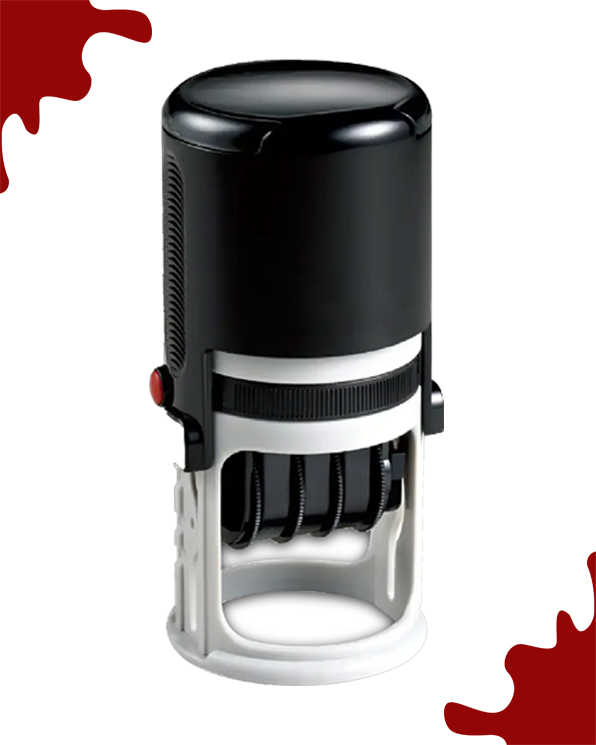
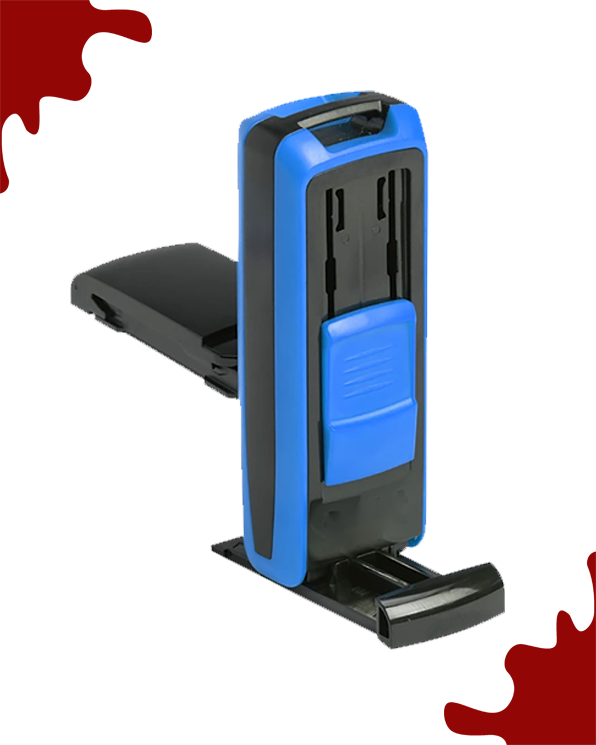
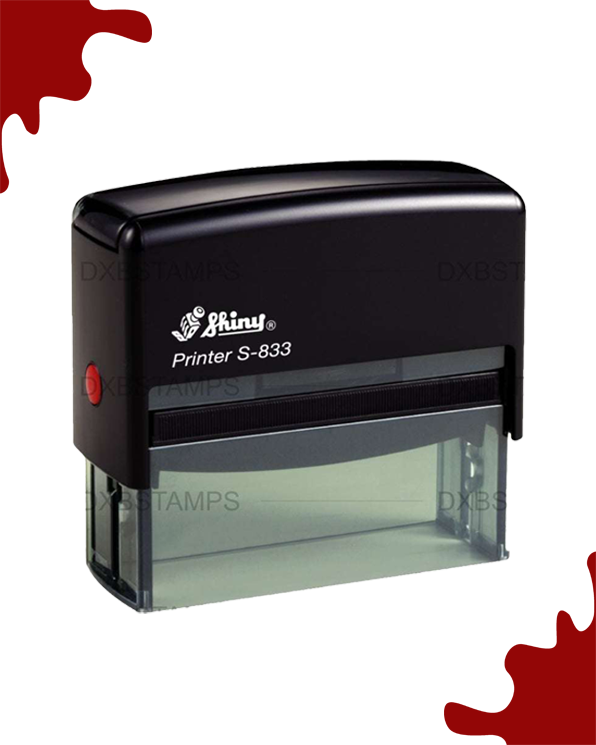
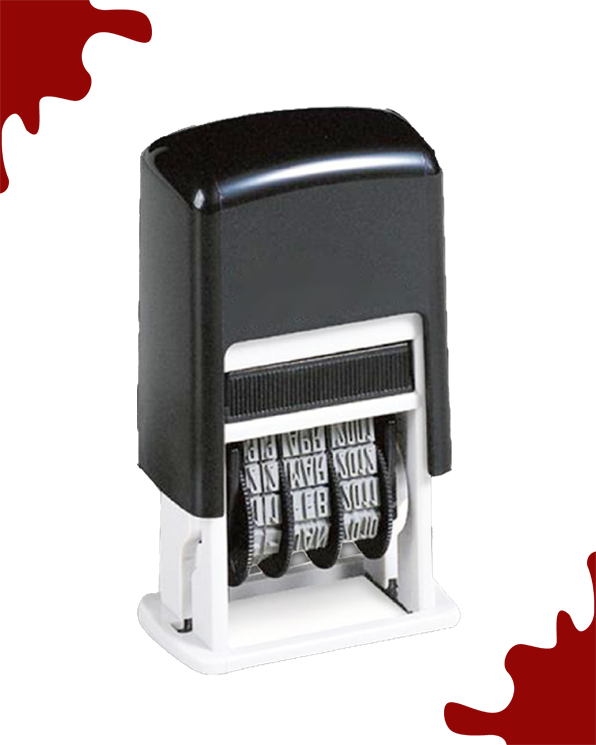
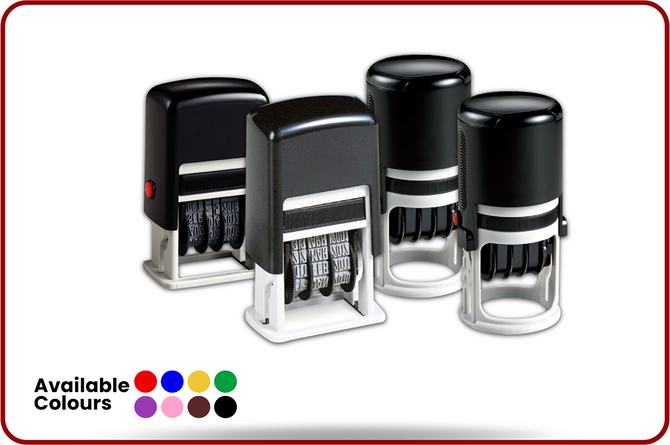
A printed delivery or receipt book, especially in a carbonless (NCR) format, gives the customer a physical copy on the spot — useful for cash-on-delivery transactions, for customers who specifically want a paper record, or as a backup when connectivity or app access is unreliable at the point of delivery. A dater stamp is a quick way to mark received or dispatched status on these documents without writing the date by hand each time.
Where Most Operators Land
In practice, many courier companies use digital proof of delivery as their primary system and keep a printed receipt book as a backup for cash transactions, connectivity gaps, or specific customer requests — rather than treating the two as competing choices. Which mix makes sense for your operation depends on your typical payment methods, delivery volume, and how reliable connectivity is across your delivery area.
Practical Considerations Before You Order
- If you handle cash-on-delivery, a printed receipt is often still expected by customers even if your primary record is digital.
- Carbonless books come in different copy counts (2-part, 3-part) — match this to how many parties in your process need a physical copy.
- A dater stamp is a small, inexpensive addition that speeds up manual paperwork at busy handover points.
See our full courier company printing package for what a typical operation orders.
FAQs
Do we still need printed receipts if we use a delivery app?
Many operators keep a printed backup for cash transactions or connectivity gaps, even when an app is their primary system — it depends on your customer base and how often cash-on-delivery comes up.
What's the difference between 2-part and 3-part carbonless books?
The number of copies produced per entry — typically one for the customer and one for the business in a 2-part book, with a third copy added for accounts or a depot record in a 3-part book.
Related reading: Choosing Vehicle Decals, ID Badges and Stamps for a Dubai Courier Company.