

Dubai Trade and Dubai Customs have digitised most of the declaration and filing process, but that hasn't removed the wet stamp from daily freight and clearance work. Here's a practical way to think about where a physical stamp is still expected, and where a digital process has genuinely replaced it.
What's moved online
Customs declarations, duty payments and much of the document submission process now run through Dubai Trade's online systems and similar free zone customs portals. Where a filing happens entirely through an official portal with its own digital authentication, a physical stamp generally isn't required for that specific submission.
What still commonly needs a physical stamp
- Delivery orders handed to truck drivers at the point of collection, where a physical, stamped document is still the practical norm.
- Internal approvals and sign-offs between departments, where a stamp is faster than routing a document for a digital signature.
- Documents exchanged with clients or other agents who may not use the same digital systems as you, particularly smaller consignees or overseas partners.
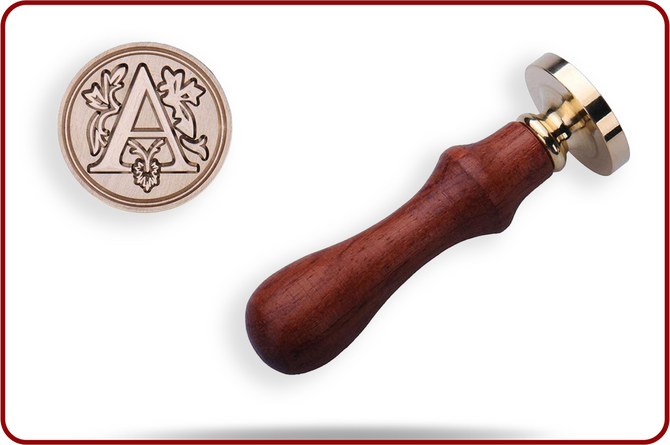
- Certificates of origin and other formal documents, which often call for a raised embossing seal rather than any digital equivalent.
Why physical stamps have stayed useful
A stamp is instantly recognisable, doesn't require the recipient to have any particular software or account, and works the same at a warehouse gate as it does in an office. Digital signatures and e-stamps are effective for filings that stay inside one authority's own portal, but freight and clearance work regularly crosses between companies, drivers and countries that don't share a single digital system — which is exactly where a physical stamp keeps doing a job software hasn't fully replaced yet.
Practical takeaway
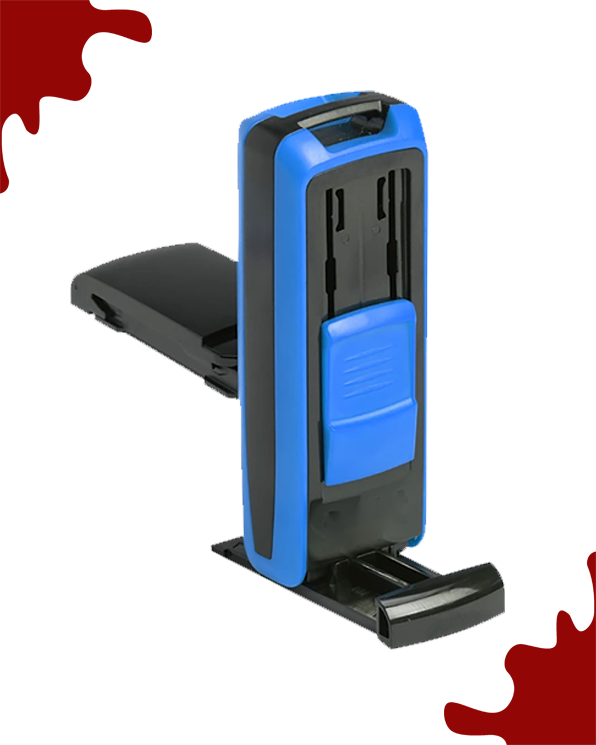
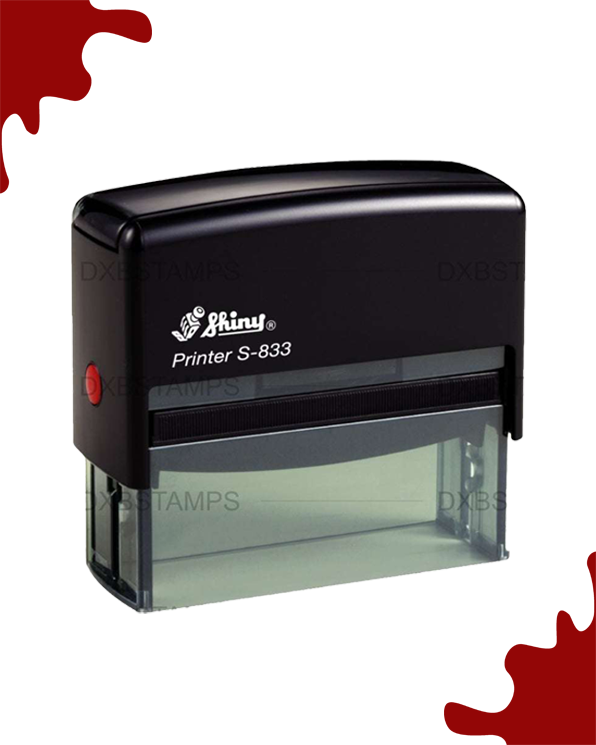
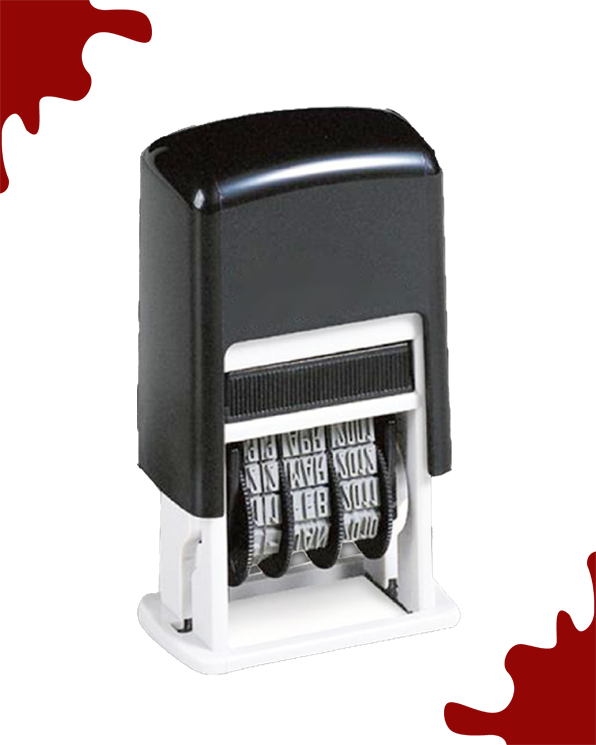
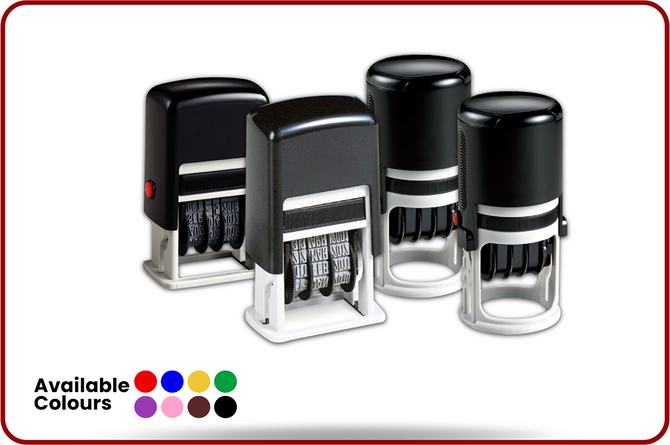
Most clearance offices end up using both: digital filing through the relevant portal for the declaration itself, and physical stamps for the paperwork that moves between people and vehicles on the ground. Rather than choosing one over the other, plan for a proper self-inking company stamp set-up for your team alongside whatever digital filing system you already use, and check with your specific authority or free zone which of your particular document types they classify as requiring a physical stamp versus accepting a digital equivalent, since this can vary and change.
For the full package, see our freight forwarding and customs clearance printing package, or read our buying guide for a full list of what a clearance office typically orders.