
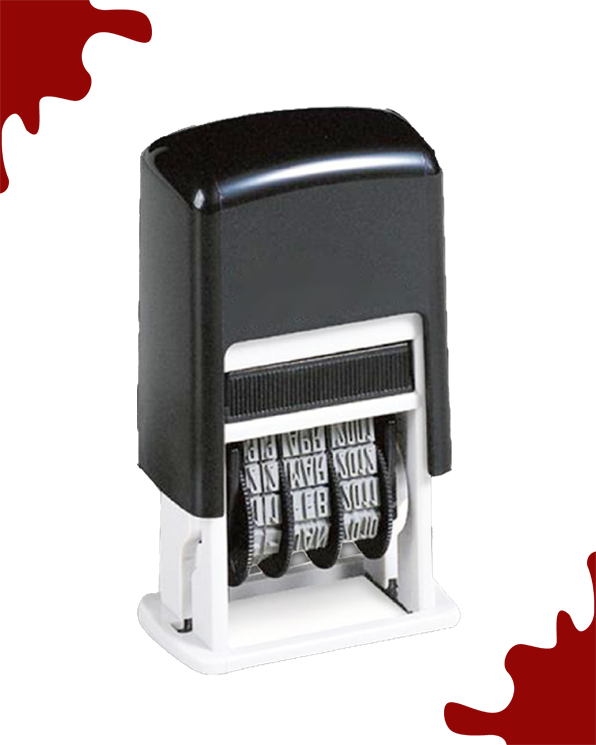


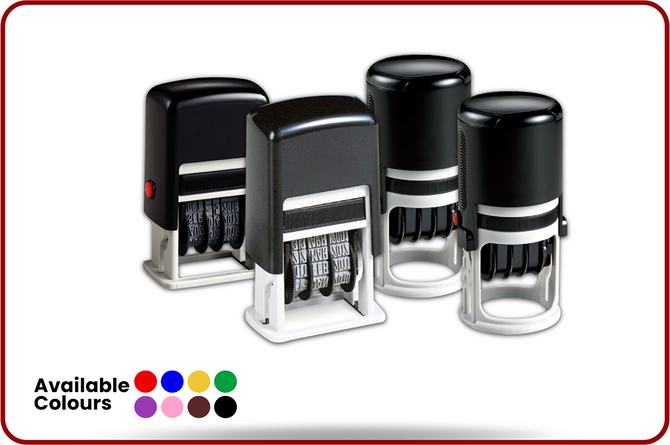




A faint mark does not always mean you need a new stamp. Look at the pattern of the missing ink, the pad and the surface before deciding what to replace.
For options and an order enquiry, visit Custom Self-Inking Stamps.
Start with a test on plain paper
Use a flat, firm surface and make a few impressions on ordinary paper. Press evenly and lift straight up. A mark that looks acceptable on plain paper but smears on a coated label may point to a surface or ink mismatch rather than a damaged stamp.
Compare the faint areas
If the whole impression is weak, the pad may need attention. If the same small section is missing each time, check for a dirty or damaged text plate and an uneven contact area. Do not scrape fine lettering with a sharp object. Photograph the impression so the issue can be assessed.
Identify the model before adding ink
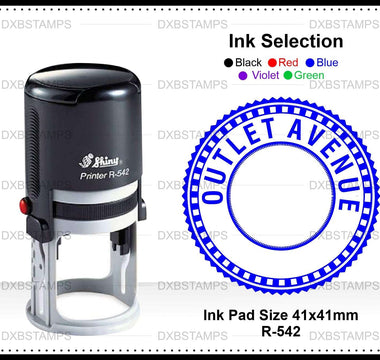
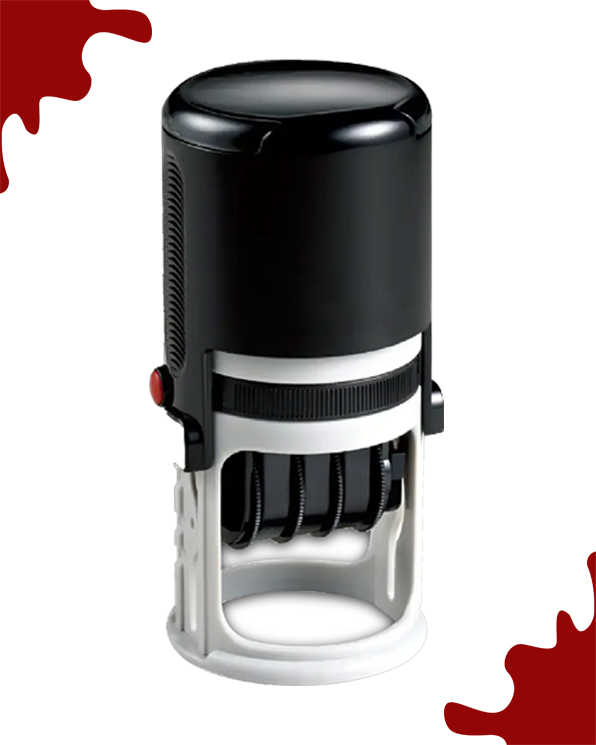
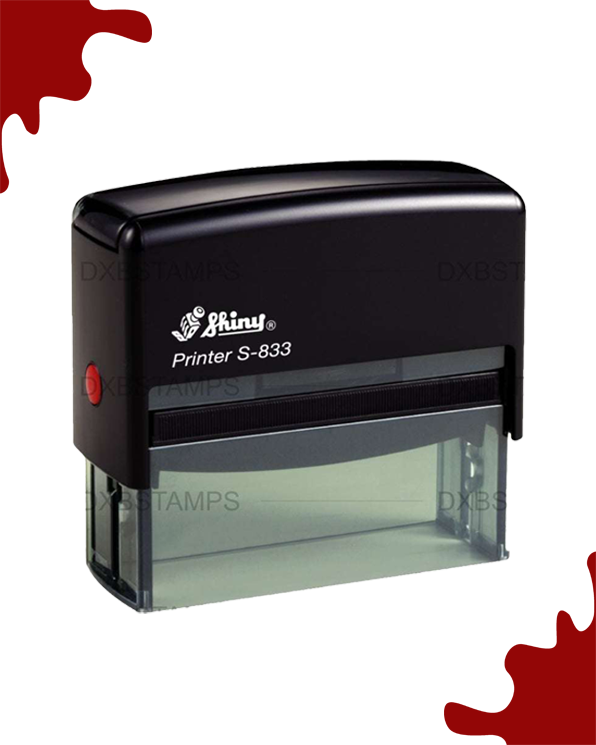
Find the model code on the body and send it with a picture of the pad. Use only ink and replacement pads compatible with that stamp. Mixing an unknown ink into the pad can create a second problem. A badly worn pad may need replacement rather than more ink.
Ask for the right repair or replacement
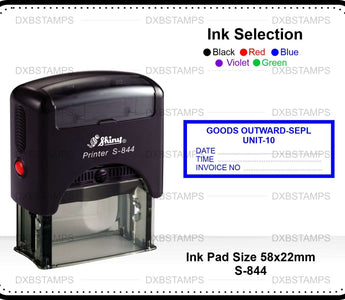
Send the model, a clear test impression and the material you normally stamp. We can check whether a pad, plate or complete stamp is the appropriate option. If you need a new self-inking stamp, share the approved wording too so the layout can be reviewed.
Read next: One Office, Several Stamps: How to Keep Layouts Consistent