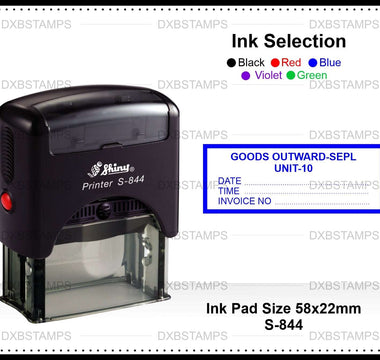
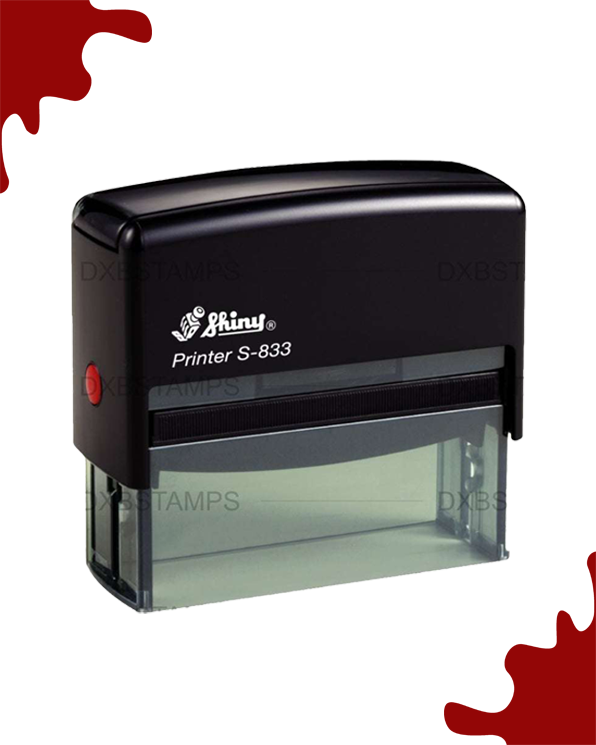
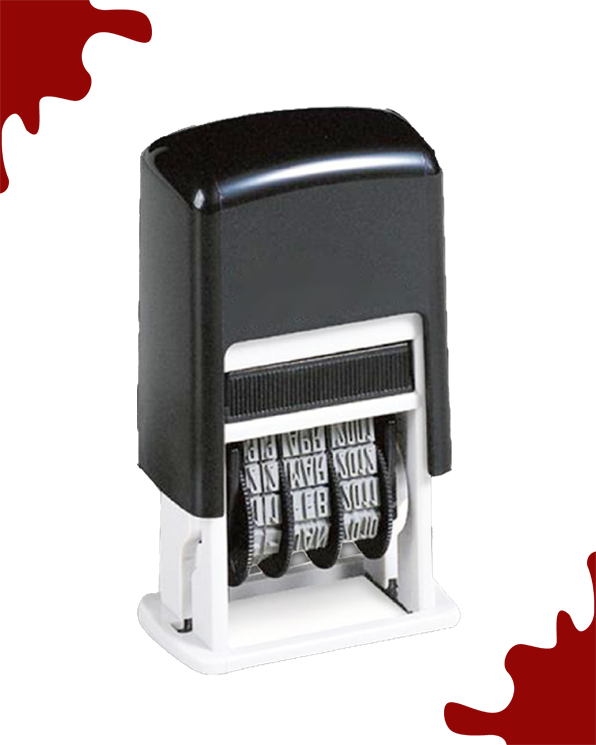
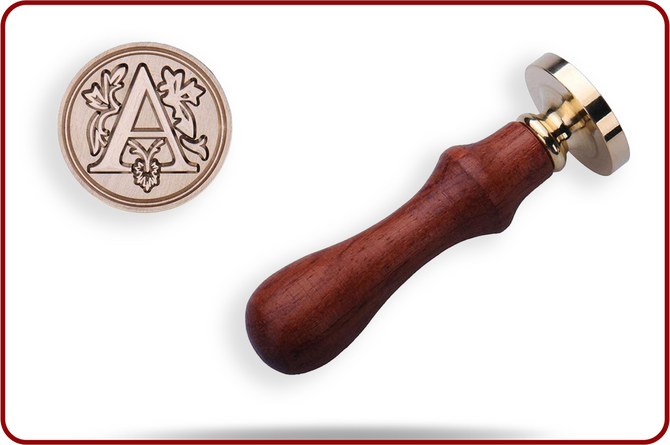


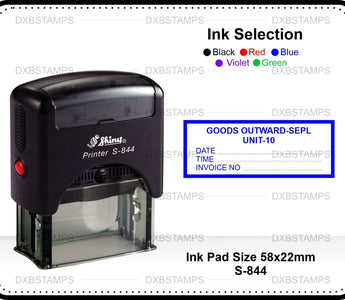
Choose a name stamp when the job is to identify a person clearly. Choose a signature stamp when you need an authorised reproduction of a handwritten signature and the recipient accepts that format.
For options and an order enquiry, visit Signature Stamp Making.
Decide what the mark needs to communicate
A printed name is easy to read and can include a role or department. A signature reproduces a personal handwritten mark, which may be less readable to someone unfamiliar with it. Some workflows benefit from a signature with a printed name underneath.
Check the form before ordering
Look at whether the form asks for a name, a signature or both. Measure the relevant space and check any instructions supplied by the recipient. Do not assume that a stamped signature is acceptable simply because there is a signature box.
Plan who may use the stamp
Keep a signature stamp under the control of the authorised person or an approved internal process. Decide where it will be stored and how an outdated stamp will be retired. A printed name stamp also needs clear ownership if several staff members share a workspace.
Prepare the correct artwork
For a name stamp, supply the exact spelling and role as text. For a signature stamp, supply a clear sample on white paper as well as the required size. If both marks are needed, ask for a proof showing the combined layout before production.