
Embossing seals and rubber stamps are both used to mark business documents, but they are built for different jobs. Choosing the right one, or using both, comes down to how the document will be used and how important it is that the mark cannot be easily copied.
If you are still getting familiar with embossing seals in general, our introductory guide on what a corporate embossing seal is covers the basics before diving into this comparison.
How Each Tool Marks a Document
Rubber and Self-Inking Stamps
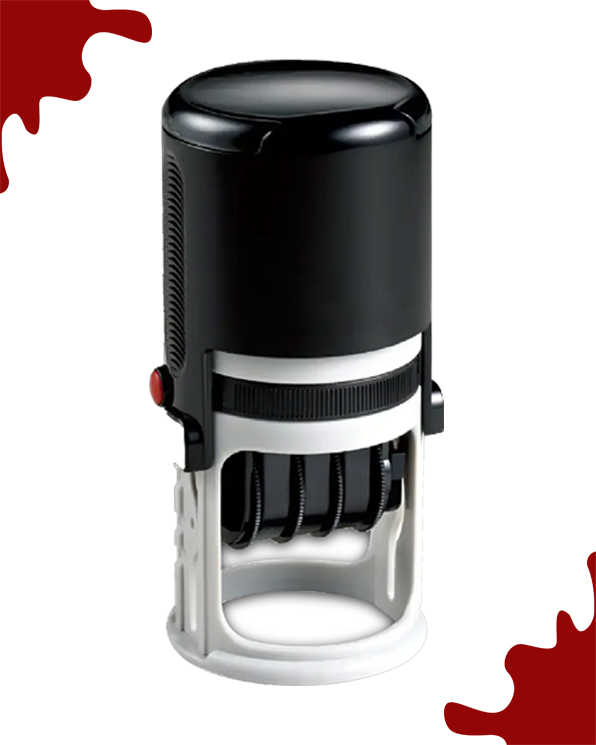
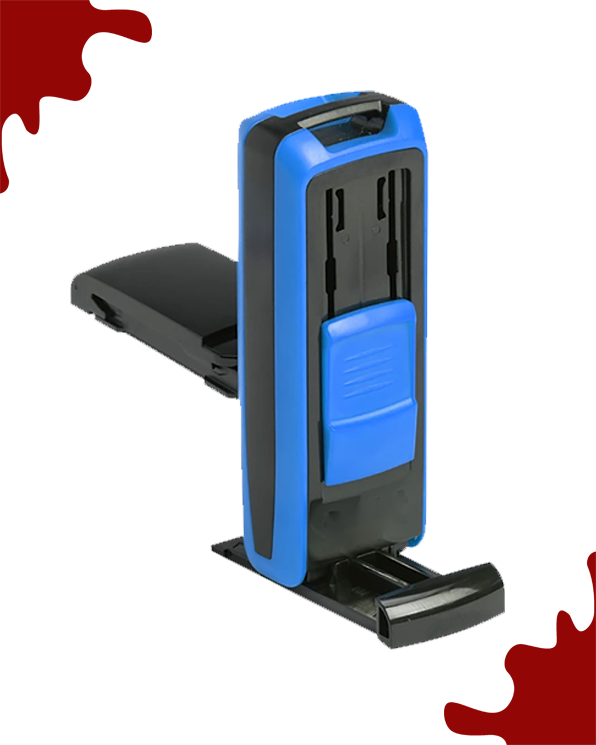
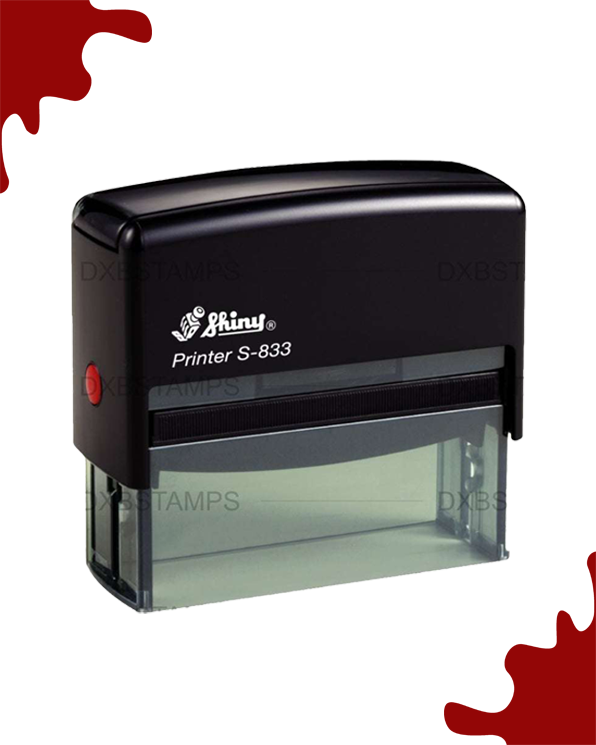
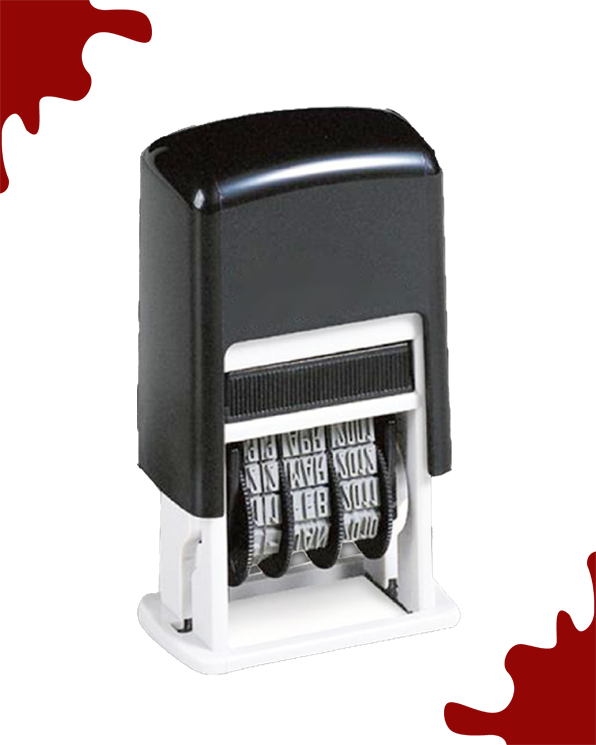
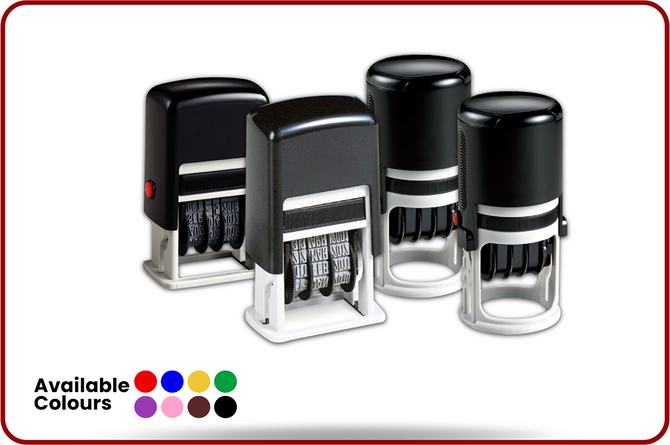
A rubber or self-inking stamp presses an inked design onto the surface of the paper. It is fast, repeatable, and easy to read at a glance, which is why it is the standard choice for invoices, receipts, delivery notes, and other high-volume paperwork. Our ink stamps range covers company stamps, daters, and self-inking designs for this kind of everyday use.
Embossing Seals
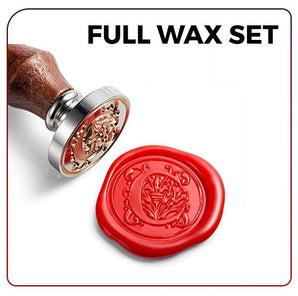
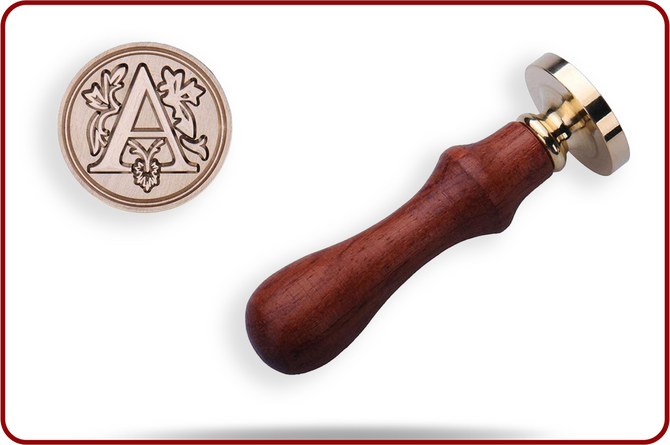
An embossing seal presses a raised, colorless impression into the paper itself rather than adding ink. Because the mark changes the texture of the page, it holds up better on documents that might be photocopied or scanned, and it is commonly used for certificates, legal paperwork, and other records where authenticity matters more than speed.
Speed and Everyday Use
If your team is stamping dozens of documents a day, a self-inking stamp is almost always the more practical choice. It is quicker to use, easy to re-ink, and built for repeated use across a busy office. An embossing seal takes a firmer, more deliberate squeeze to use, which makes it better suited to occasional, higher-stakes documents rather than routine paperwork.
Authenticity and Tamper Resistance
This is where embossing seals have a clear advantage. Because the impression is physical rather than printed, it is much harder to reproduce convincingly, especially on a black-and-white photocopy where an ink stamp's color would not show up at all. For certificates, notarized documents, and contracts, that extra layer of tamper resistance is often the deciding factor.
Visibility and Readability
Ink stamps have the edge here. A self-inking stamp is bold, colored, and easy to spot on a page, while an embossed impression can be subtle, especially under poor lighting or on textured paper. If the priority is making sure a mark is immediately noticeable, an ink stamp usually communicates that better.
Which One Does Your Business Need
Many UAE businesses use both tools, just for different documents:
- Use a self-inking or rubber stamp for invoices, receipts, delivery notes, and other high-volume, day-to-day paperwork.
- Use an embossing seal for certificates, contracts, notarized documents, and any record where authenticity and permanence matter more than speed.
If you are weighing up the two for a specific use case, our guide on corporate and notary embossing seals covers what typically goes on a seal design and who tends to use one. You can also read manual versus self-inking stamps if you are still deciding between stamp types for everyday use.
Cost and Upkeep Considerations
Self-inking stamps need their ink pad replaced or re-inked periodically, and the rubber die can wear down after heavy, repeated use. An embossing seal has no ink to maintain, but it is a more deliberate tool to use and is not designed for high-speed, high-volume stamping. Thinking about how often each tool will actually be used, and by how many people, is often more useful than comparing them on price alone.
How They Look Side by Side
Placed next to each other, the difference is immediately obvious. A self-inking stamp leaves a flat, colored mark that reads clearly from across a desk, often in the company's chosen ink color. An embossing seal leaves a pale, three-dimensional impression that only becomes fully visible when the page catches the light at an angle. Neither look is better in an absolute sense, they simply communicate different things: the ink stamp says "this document has been processed," while the embossed mark says "this document has been formally authenticated."
What Happens if You Choose the Wrong One
Using a self-inking stamp on a document that really calls for a tamper-resistant mark, such as a certified copy or a notarized agreement, can leave the document looking less authoritative than intended, since ink stamps are comparatively easy to reproduce. On the other hand, using an embossing seal for fast-moving daily paperwork like delivery notes or receipts can slow down a process that is meant to be quick. Matching the tool to the document avoids both problems.
Frequently Asked Questions
Can one seal or stamp work for every type of document?
Not reliably. Each tool has strengths suited to different situations, so most businesses that handle a mix of routine and formal paperwork end up keeping both on hand.
Which one should a new business get first?
Most new businesses start with a self-inking company stamp, since it covers everyday paperwork like invoices and delivery notes. An embossing seal is usually added later, once the business starts handling certificates, contracts, or other documents that call for a more formal mark.
Is one option more widely recognized than the other?
Both are widely recognized in UAE business practice, but they signal different things to the person reading the document. An ink stamp is instantly recognizable as an official company mark, while an embossed impression is often associated specifically with certified or notarized documents, so the choice can shape how a document is perceived at first glance.
Ordering Either Option
DXBStamps produces both custom embossing seals and self-inking stamps for businesses across the UAE. Reach out through our contact page and let us know which type of document you need to mark, and our team can help you choose and design the right tool.