
A corporate embossing seal is one of the simplest ways a UAE business can add a permanent, tamper-resistant mark to its official paperwork. Unlike an ink stamp, an embossing seal presses a raised design directly into the paper, so the mark cannot be photocopied away or smudged. That makes it a practical tool for law firms, notaries, auditors, and any company that regularly certifies contracts, certificates, or corporate records.
What Is a Corporate Embossing Seal
An embossing seal, sometimes called a notary seal or corporate seal, is a handheld device with two engraved metal dies. When squeezed together over a sheet of paper, the dies create a raised, textured impression showing the company name and any other details included in the design. Because the impression is physical rather than printed, it stays on the page even if the document is photocopied, faxed, or scanned in black and white, which is why embossing seals are still widely used alongside modern digital signatures.
Our embossing seal collection and custom embossing stamp service are built for exactly this purpose: giving businesses, notaries, and individuals a durable way to mark documents that need to look and feel official.
Why UAE Businesses Use Embossing Seals
Legal and Notarial Documents
Contracts, powers of attorney, affidavits, and other legal paperwork often benefit from a physical seal in addition to a signature. An embossed impression is difficult to reproduce, which is part of why legal and notarial professionals continue to rely on them as a visual and tactile mark of authenticity.
Corporate Certificates and Internal Records
Companies use embossing seals on share certificates, board resolutions, internal policy documents, and other records that should carry a consistent, official mark. A seal gives these documents a uniform, professional appearance regardless of who prepared them.
Professional Branding
Beyond legal use, an embossing seal is a subtle branding tool. A raised company name or logo on letterhead, certificates, or gift packaging communicates attention to detail and adds a tactile, premium finish that printed ink cannot match.
What Can Be Included on a Corporate Embossing Seal
Every business has different needs, but embossing seal layouts commonly include some combination of the following details:
- Company name, spelled exactly as it appears on official registration documents
- A border or decorative ring around the text
- Trade license or registration number, where the business wants it visible on the seal
- A central emblem, initials, or logo
- City or country name, such as Dubai or United Arab Emirates
Because the seal will be used to authenticate real business documents, it is worth double-checking the exact spelling of the company name and any registration details before the design is finalized. If your business is unsure which details are appropriate for a specific legal or notarial use, it is best to confirm the requirement with the relevant authority or legal advisor before ordering.
Embossing Seal, Rubber Stamp, or Wax Seal: What Is the Difference
These three tools are often confused, but each serves a different purpose:
- Embossing seal: presses a raised, colorless impression into the paper itself. Best for legal, notarial, and certificate work where a permanent physical mark matters.
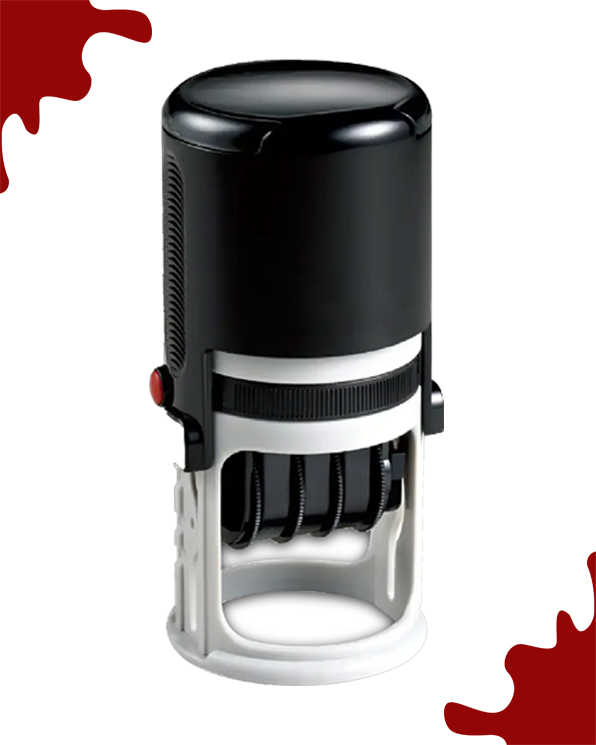
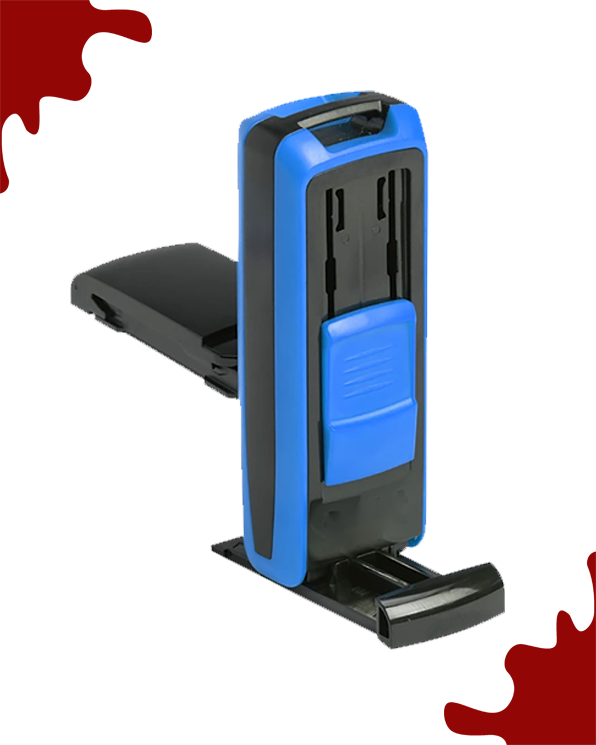
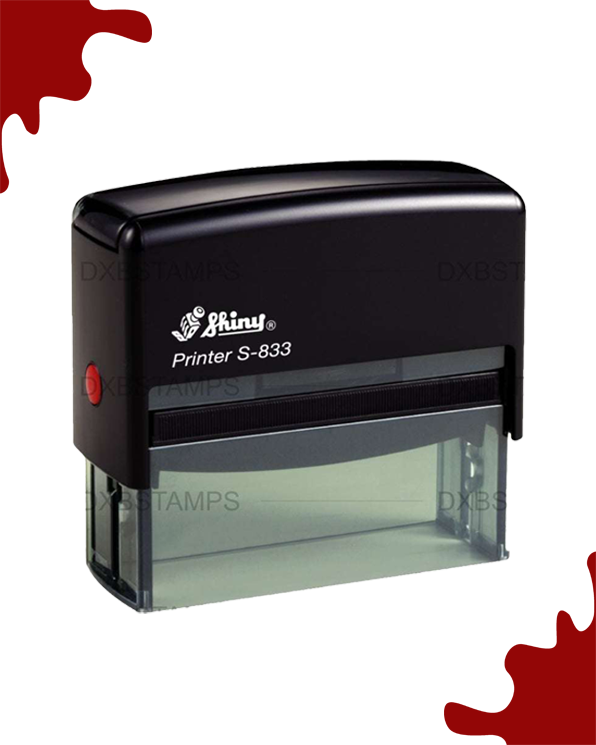
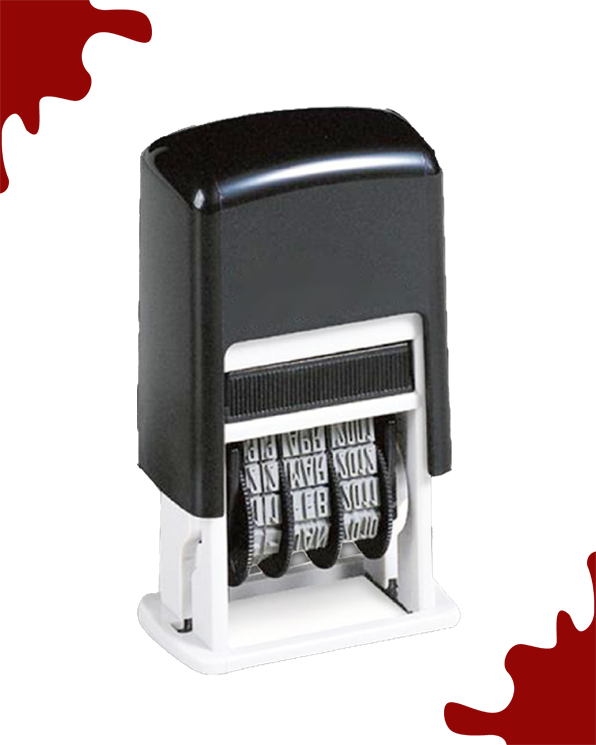
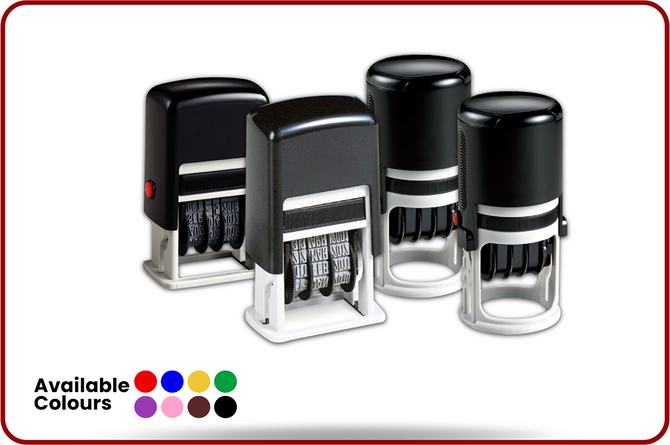
- Rubber or self-inking stamp: applies ink to the surface of the paper for a fast, repeatable, and highly visible mark. Better suited to invoices, receipts, and everyday paperwork that needs to be stamped quickly and often. Our ink stamps range covers this use case.
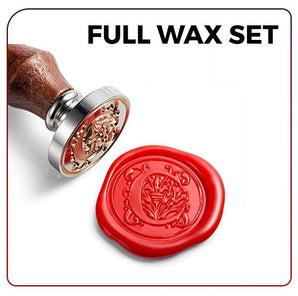
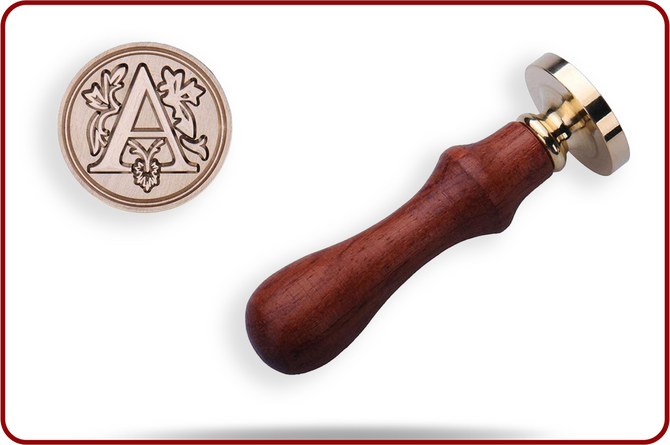
- Wax seal stamp: creates a decorative wax impression, typically used for invitations, gift packaging, and personal or ceremonial stationery rather than routine business documents. See our wax seal stamps for that use case.
Many businesses end up using more than one of these tools for different parts of their operations: an embossing seal for certificates and legal paperwork, and a self-inking stamp for day-to-day office use.
Who Uses Corporate Embossing Seals
Law Firms and Legal Consultants
Legal practices use embossing seals to mark certified copies, agreements, and correspondence, giving documents a consistent, professional finish across every file that leaves the office.
Notaries and Document Clearance Companies
Professionals who authenticate or attest documents on behalf of clients often rely on a seal as part of their standard process, alongside signatures and any official stamps required for the specific document type.
Auditors and Accountants
Audit firms and accountants use seals to mark financial statements, reports, and certified copies, helping clients and third parties quickly recognize an authenticated document.
Real Estate and Corporate Service Providers
Property management firms, corporate service providers, and PRO companies handle a steady stream of contracts and official paperwork where a seal adds a clear, consistent mark of origin.
Choosing the Right Design for Your Business
Before finalizing an embossing seal, it helps to think through how the seal will actually be used day to day. A seal that will be used constantly at a front desk benefits from a simple, highly legible layout, while a seal used occasionally for certified copies or board documents can carry a more detailed design, such as a full border and emblem. It is also worth deciding early who in the business will be responsible for using and storing the seal, since a physical embossing tool, unlike a digital signature, needs to be kept secure and accounted for.
Another practical consideration is consistency. If your company already uses a self-inking stamp, letterhead, or a specific logo treatment, it is worth carrying the same wording and layout style through to the embossing seal so that all of your official marks look like they come from the same business. Small inconsistencies, such as an abbreviated company name on one document and the full legal name on another, can raise unnecessary questions when a third party is reviewing your paperwork.
How to Order a Custom Embossing Seal
At DXBStamps, we produce custom seals and stamps for businesses across the UAE. To get started, get in touch through our contact page with your company name and any registration details you would like included, and our team will guide you through the design before production. You can also read more about who we are on our company page.
If you are ordering on behalf of a law firm, audit practice, or corporate service provider, it is worth reading our guide on how professional firms use corporate seals before you finalize the wording, since these documents often carry legal or financial weight and benefit from extra care at the design stage.
Frequently Asked Questions
Is an embossing seal a legal requirement in the UAE?
Requirements vary depending on the type of document and the authority involved, so this is not something we can confirm on a general product page. If your business needs a seal for a specific legal, notarial, or government process, it is best to check the exact requirement with the relevant authority or your legal advisor, and then order a seal designed to match.
How is an embossing seal different from a company stamp?
A company stamp applies ink to the surface of a document, while an embossing seal presses a raised, colorless impression into the paper itself. Many businesses use both, choosing the stamp for everyday paperwork and the seal for certificates and legal documents. Our guide on embossing seal versus rubber stamp covers this comparison in more detail.
Can the seal design be changed later if the company details change?
Because the design is engraved into the metal dies, a change to the company name or registration details would require a new seal rather than an edit to the existing one. It is worth double-checking all details before placing an order.
Do I need a separate seal for wax sealing invitations or gifts?
Yes. An embossing seal and a wax seal stamp are different tools built for different purposes. If you are looking for a decorative option for invitations or packaging, see our guide on embossing seal versus wax seal stamp.