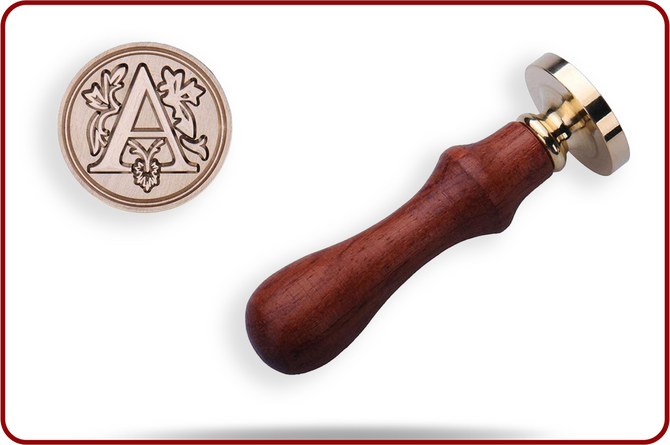





Professional service firms handle a steady stream of documents that need to look and feel authoritative: contracts, certified copies, financial statements, and correspondence. A corporate embossing seal is a small tool that plays a real role in how many of these firms present and protect that paperwork.
Law Firms and Legal Consultants
Legal practices often use an embossing seal to mark certified copies of contracts, agreements, and other paperwork that clients or third parties may need to rely on. The raised impression gives every copy a consistent, recognizable finish, which helps clients quickly identify documents that came directly from the firm. Some practices also emboss letterhead or bound agreements as a finishing touch on client-facing work.
Notaries and Document Clearance Companies
Professionals who handle document authentication and attestation on behalf of clients deal with a high volume of paperwork where a clear, consistent mark matters. An embossing seal is often used alongside signatures and any official stamps required for a specific document type, adding a layer of physical, hard-to-copy detail to the finished file. Because requirements can vary by document and authority, it is worth confirming exactly what a specific attestation or notarization process requires before relying on a seal alone.
Auditors and Accountants
Audit firms and accounting practices use seals to mark financial statements, audit reports, and certified copies of company records. When a client or third party receives a sealed document, it offers a quick visual cue that the copy has gone through the firm's standard process, which is especially useful when the same report needs to be shared with banks, government departments, or business partners.
Real Estate and Corporate Service Providers
Property management companies, PRO firms, and corporate service providers process a constant flow of contracts, tenancy paperwork, and government-facing documents. A seal gives these documents a consistent mark of origin, which can help clients and counterparties recognize official paperwork at a glance, particularly when a business is dealing with multiple properties or corporate clients at once.
What These Firms Typically Look For in a Seal
Across all of these use cases, the same few priorities come up repeatedly:
- A clear, legible company name that matches official registration documents exactly
- A durable seal that can be used regularly without the impression losing definition
- A design that is straightforward to verify at a glance
Because seals are used on documents that carry legal or financial weight, firms in this space typically treat the design and wording on the seal with the same care they would give any other official document, and confirm any specific format requirements with the relevant authority before finalizing the design.
For firms that are still deciding whether an embossing seal is the right tool at all, our guide on embossing seal versus rubber stamp compares it against the more familiar company stamp.
Building a Consistent Document Process
Firms that handle a high volume of formal paperwork often find it useful to standardize exactly when and how a seal is applied, rather than leaving it to individual staff discretion. Deciding in advance which document types get sealed, who is authorized to use the seal, and how it is stored between uses helps keep the process consistent as a firm grows and more people are involved in preparing client documents.
This kind of consistency matters most in firms where multiple staff members prepare client-facing paperwork. A clear internal process for using the seal reduces the chance of documents going out inconsistently marked, which can be a small but noticeable detail to clients who are used to seeing a firm's standard presentation.
Training New Staff on Seal Use
As professional service firms grow, new hires often need to be brought up to speed on where the company seal is kept, when it should be used, and who needs to approve its use on a given document. Building this into onboarding, alongside other document handling procedures, helps a firm scale its formal paperwork process without depending on one or two long-tenured staff members remembering the rules informally.
Frequently Asked Questions
Do all law firms and audit practices in the UAE use a corporate seal?
Practices vary by firm and by the type of work involved. Many professional service firms use a seal as part of their standard process for certified copies and formal records, but exact requirements depend on the document type and the authority it is being submitted to.
Can a firm use the same seal across multiple branches or offices?
Some firms choose to have a separate seal per branch so that each office can operate independently, while others centralize sealing at one location. The right approach depends on how the firm is structured and how quickly documents need to be processed at each location.
Should the seal include the firm's license or registration number?
Some firms include this detail, others do not. If a specific document type requires it, that is worth confirming with the relevant authority before finalizing the seal design, since the correct format can differ depending on the document and the process it supports.
What happens if a sealed document is later disputed?
A seal on its own is not a substitute for proper record keeping. Firms that rely on a corporate seal typically also keep internal logs of which documents were sealed and when, so that questions can be resolved by referring back to the firm's own records rather than the seal alone.
Getting a Corporate Seal Made
DXBStamps works with law firms, audit practices, and corporate service providers across the UAE to produce custom embossing seals. For a broader overview of how these seals work and what can be included in the design, see our guide on corporate and notary embossing seals. To start an order, contact our team through the contact page with your company details.