If you have ever received a certificate or legal document with a raised, textured circle pressed into the paper, you have seen an embossing seal at work. It is one of the oldest forms of document authentication still in everyday use, and many UAE businesses keep one on hand for exactly the situations where a printed stamp is not enough.
How an Embossing Seal Works
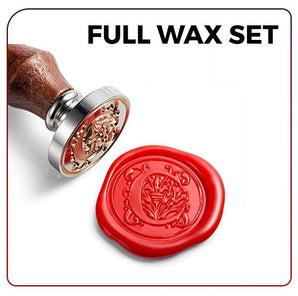
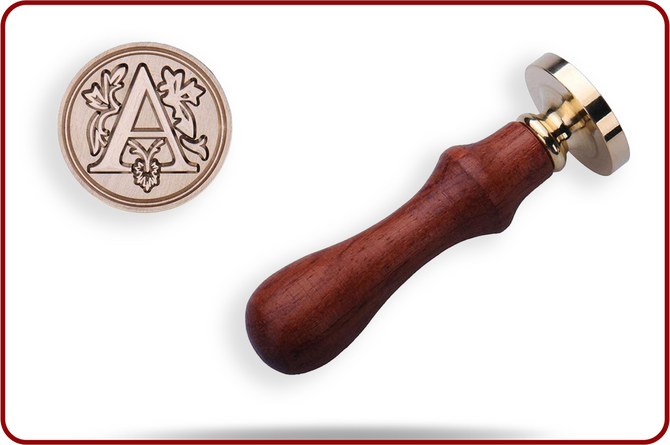
An embossing seal, sometimes called a notary seal or corporate seal, is made of two matching metal dies: one raised, one recessed. When a sheet of paper is placed between them and the handles are squeezed together, the paper is physically reshaped into a raised impression that matches the die design. No ink is involved, which means the mark cannot fade, smudge, or be reproduced by a standard black-and-white photocopy.
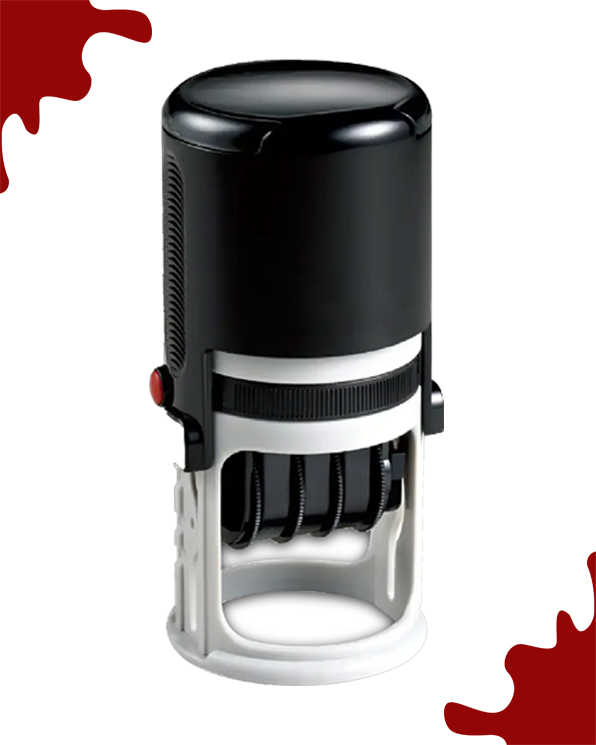
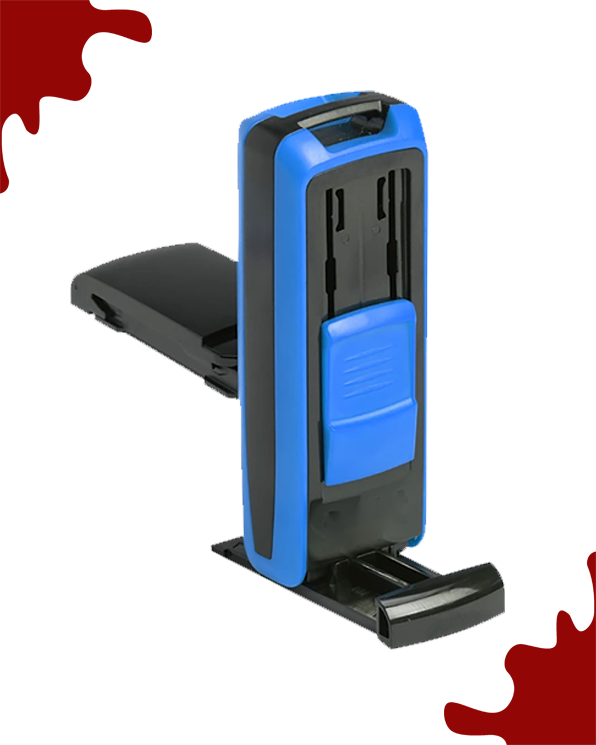
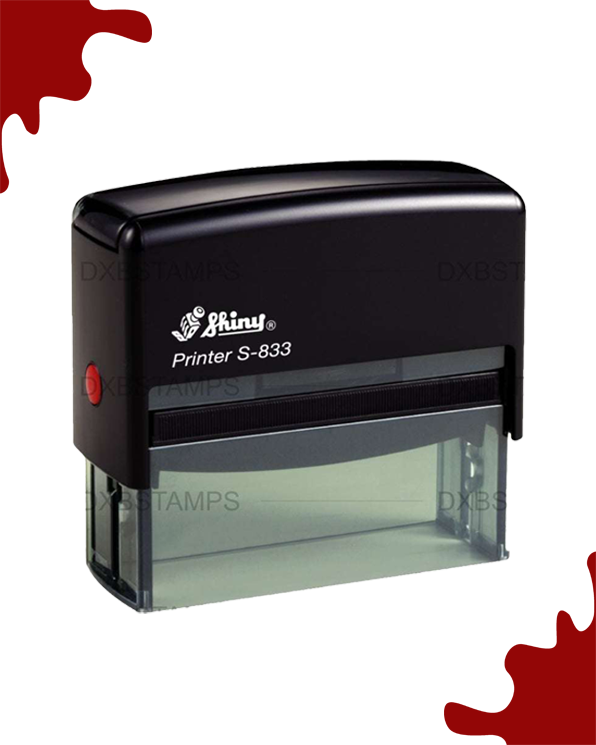
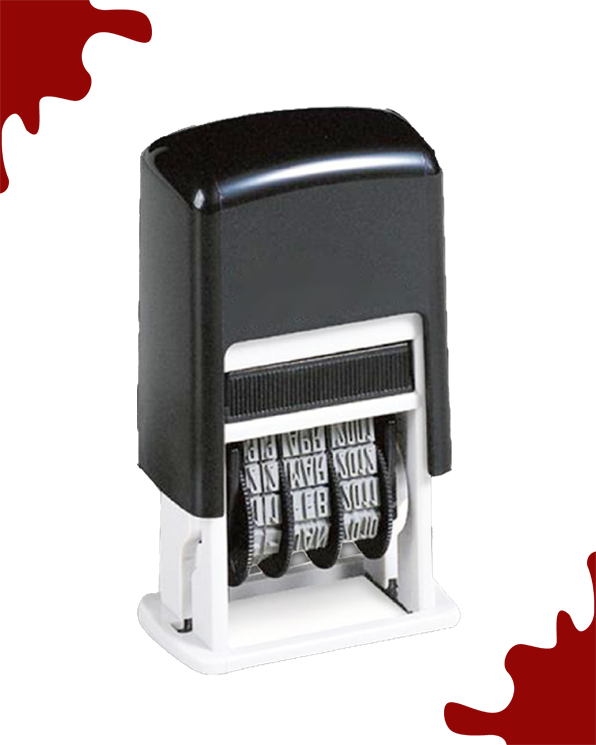
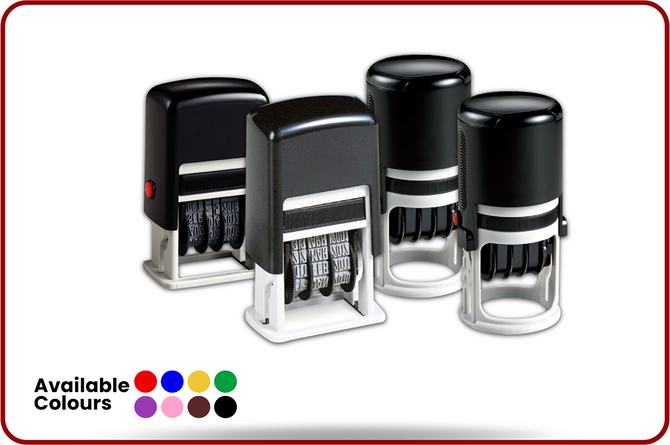
This is different from a rubber or self-inking stamp, which applies ink to the surface of the page rather than reshaping the paper itself. Both tools have their place, but they solve different problems.
Why the Physical Impression Matters
Because an embossed mark changes the texture of the paper rather than just its color, it is much harder to remove or copy convincingly. That is one of the main reasons embossing seals remain popular for documents where authenticity needs to be easy to verify at a glance, such as certificates, contracts, and notarized paperwork.
Common Business Uses in the UAE
Certifying Copies of Documents
Businesses and professionals who issue certified copies of contracts, licenses, or certificates often use an embossing seal to mark each copy consistently.
Share Certificates and Corporate Records
Companies use seals on share certificates, board resolutions, and other formal corporate records that benefit from a uniform, official appearance.
Professional Correspondence
Law firms, consultancies, and accounting practices sometimes emboss their letterhead or attachments as a finishing touch that signals the document came directly from their office.
What Goes on the Seal
A typical corporate embossing seal design includes the company name, and often a border, an emblem, or the city or country name. Some businesses also include a registration or trade license number if it is relevant to how the seal will be used. Because the design is permanent once produced, it is worth confirming the exact spelling of the company name and any registration details before placing an order.
Embossing Seal or Rubber Stamp: Which Do You Need First
Most businesses in the UAE end up using both tools for different purposes. A self-inking or rubber stamp is usually the first tool a new business gets, since it is fast to use on everyday paperwork like invoices and delivery notes. An embossing seal tends to come next, once the business starts handling documents that call for a more formal, tamper-resistant mark, such as certificates or legal paperwork. You can compare the two in more detail in our guide on embossing seals versus rubber stamps.
How Long an Embossing Seal Lasts
Because the dies are made of metal and there is no ink cartridge to run dry, a well-made embossing seal can stay in use for a long time with basic care. The main things that affect its lifespan are how often it is used and how it is stored. Keeping the seal in a dry place and avoiding forcing the handles beyond their normal range of motion will help the impression stay crisp over years of use.
Things to Check Before You Order
Since the design is engraved rather than printed, it is worth reviewing a few details carefully before production starts:
- The exact spelling of the company name, matching official registration documents
- Whether a trade license or registration number should appear on the seal
- Whether the design should include a border, emblem, or just text
- Who in the business will be responsible for keeping the seal secure
Getting these details right the first time avoids the cost and delay of reordering a seal because of a small design mistake.
Frequently Asked Questions
Is an embossing seal the same as a notary seal?
They use the same basic mechanism, an embossing seal is often used as a notary seal, but the exact design and wording required can depend on the notarial process involved. If you need a seal for a specific notarial function, it is best to confirm the required format with the relevant authority first.
Does an embossing seal replace a signature?
No. An embossing seal is normally used alongside a signature, not instead of one. It adds a physical mark of authenticity to a document that has already been signed.
Can an embossing seal be used on thick card or only on paper?
Embossing seals are generally designed for standard paper and lighter card stock. Very thick or heavily textured materials may not take the impression as cleanly, so it is worth testing on a sample sheet if you plan to use it on anything unusual.
Who typically keeps custody of the company's embossing seal?
This varies by business, but it is common for a director, office manager, or a designated compliance contact to be responsible for the seal, rather than leaving it accessible to everyone in the office. Treating it with the same care as any other official company asset helps avoid disputes later about which documents were properly authenticated.
Getting a Custom Embossing Seal Made
At DXBStamps, we produce custom embossing seals alongside our wider range of embossing stamp and seal products. If your business is ready to order one, the best starting point is our main guide on corporate and notary embossing seals, or you can reach our team directly through the contact page with the details you would like included on your seal.