Self-Inking vs Traditional Rubber Stamps for a Dubai Typing Center: Which Should You Standardize On?
Typing centers and PRO services offices stamp a lot of paperwork every single day — far more than a typical office. That volume makes the choice between a self-inking stamp and a traditional rubber stamp (used with a separate ink pad) more than a cosmetic decision — it affects counter speed, consistency, and how the stamp holds up under daily use. This article compares the two so you can decide what to standardize on.
For the full branding bundle for typing centers and PRO offices, see Business Setup & Typing Center / PRO Services Printing Package.
How Each Type Works
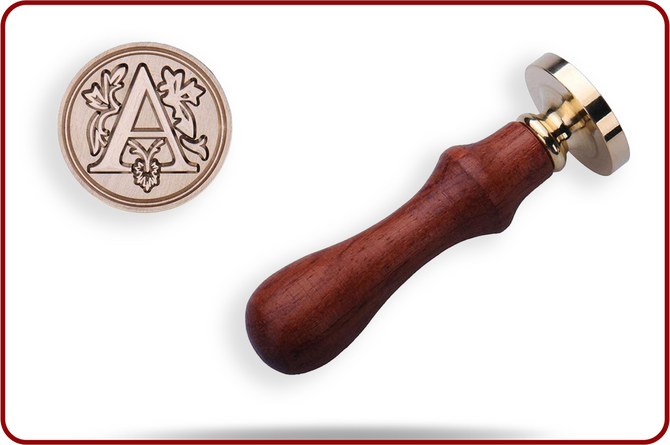
Traditional rubber stamp: a separate rubber die mounted on a handle, pressed onto a separate ink pad before each impression (or a series of impressions before re-inking).
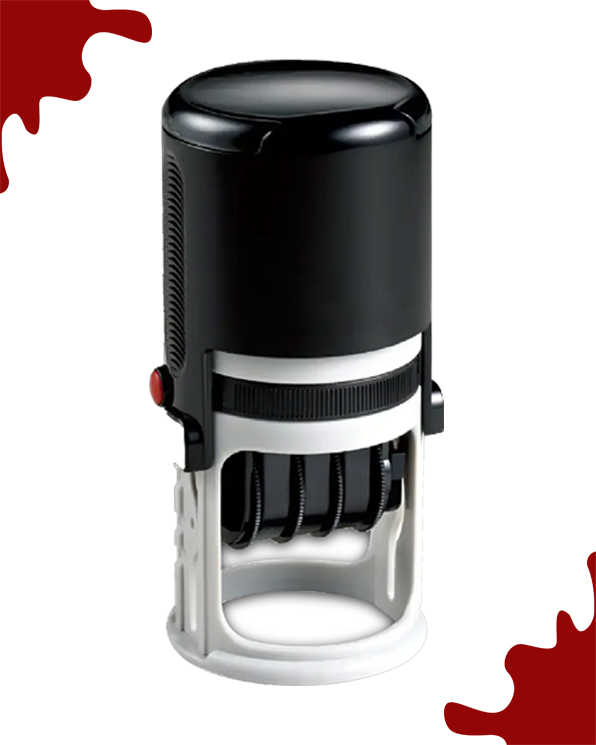
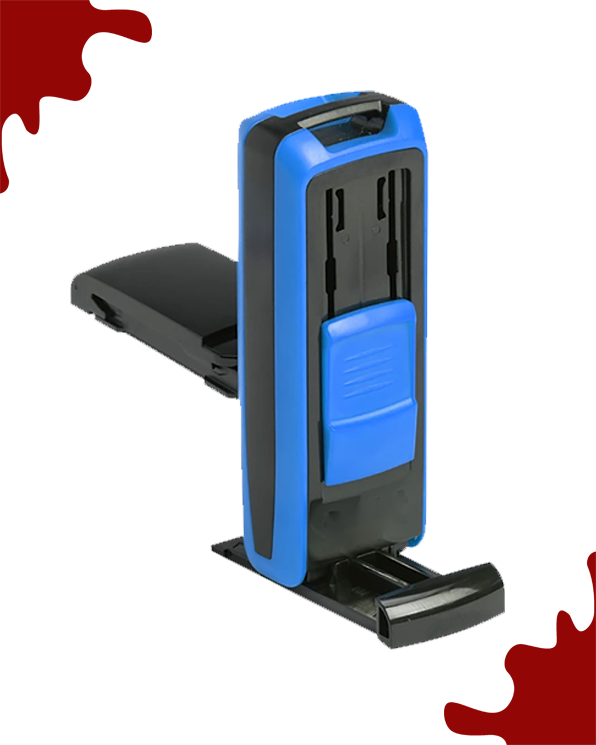
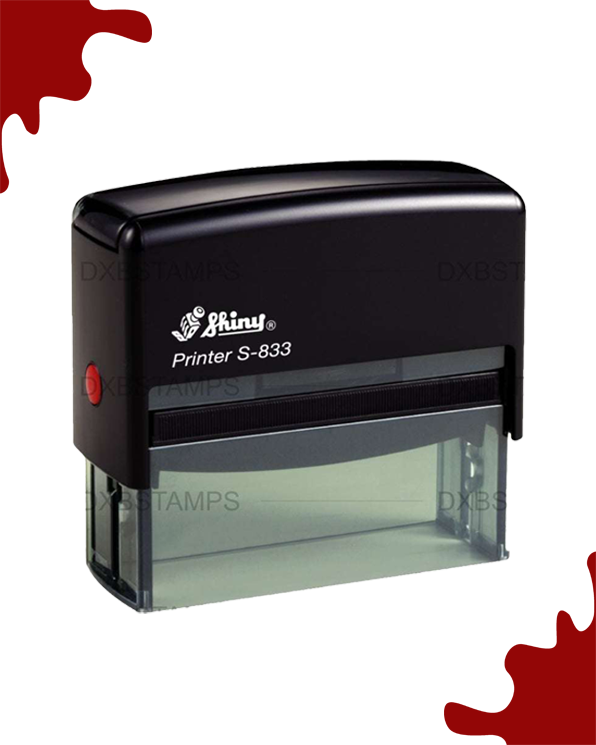
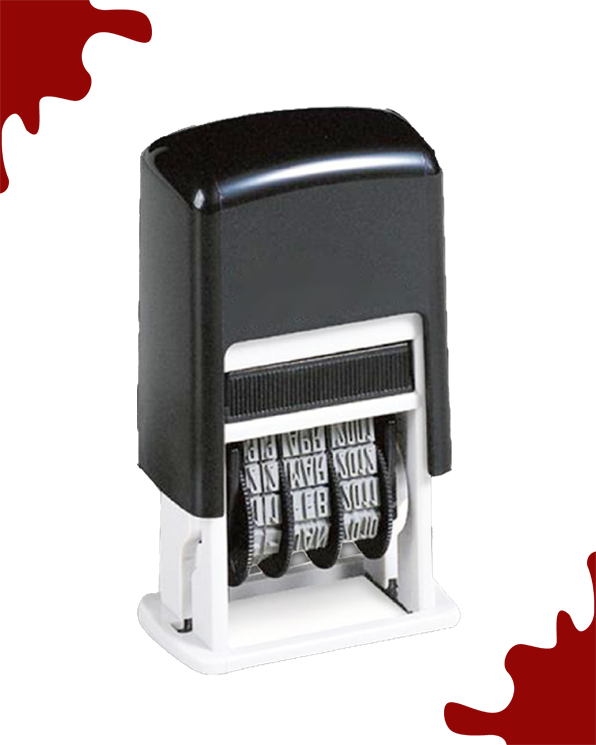
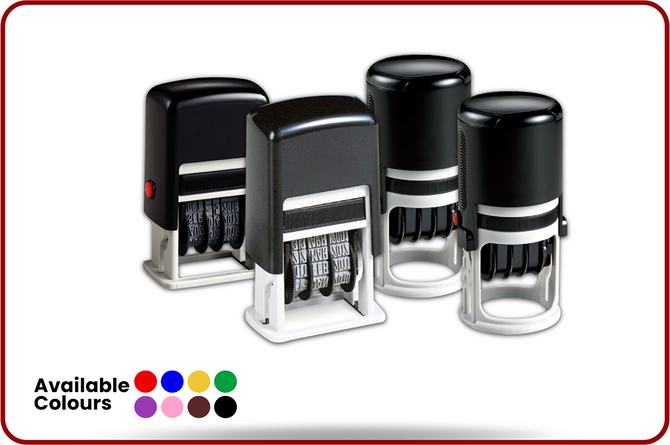
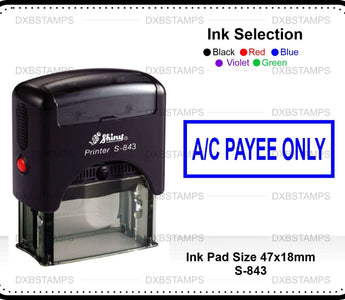
Self-inking stamp: the ink reservoir is built into the stamp mechanism itself, so each press automatically re-inks the die — no separate pad needed.
Both are available through our Rubber Stamps Dubai — Custom Business & Office Stamps range.
Where Each Option Tends to Make Sense
Self-Inking Stamps Tend to Suit:
- Counters that stamp a high number of documents per day, where not needing a separate ink pad speeds up the process.
- Shared-use situations where multiple staff use the same stamp station throughout the day.
- Offices that want a cleaner, more consistent impression without staff manually re-inking each time.
Traditional Rubber Stamps Tend to Suit:
- Lower-volume use, or occasional/backup stamps kept for specific document types.
- Situations where you want the flexibility to switch ink colors easily by using different pads.
- Offices that already have an established rubber-stamp workflow and don't want to change staff habits.
Other Factors to Weigh
- Multiple document types: if your office regularly needs different stamp wording or formats for different services, you may end up with a mix of both types rather than standardizing on just one.
- Staff handling: self-inking stamps can reduce ink smudging and mess at a busy counter, which may matter if staff are also handling client documents at the same station.
- Replacement and spares: whichever type you choose, busy offices generally benefit from keeping at least one spare on hand so a single damaged or misplaced stamp doesn't interrupt service.
- Formal or notarized-style documents: for documents that call for an embossed impression rather than an ink stamp, neither stamp type applies — see our Corporate Embossing Seals UAE page instead.
This Is Different From a New Company's First Stamp
If you're advising a client (or setting up your own separate company) on their very first company stamp as part of new business registration, that's a simpler, lower-volume decision — see our Company Stamp for New Business Setup in Dubai page, which is written for that specific situation rather than a high-volume operational counter.
A Practical Starting Point
Many high-volume typing centers and PRO offices find that standardizing on self-inking stamps for routine, everyday documents — while keeping a traditional rubber stamp or embossing seal on hand for less frequent or more formal needs — offers a reasonable balance of speed and flexibility. Your specific mix should still be based on your actual document volume and workflow.
Next Step
Once you've decided on stamp type, our Artwork & Ordering Checklist for Typing Center Stamps, ID Cards and Signage article walks through how to prepare your artwork and place the order correctly the first time.
Frequently Asked Questions
Can I use both self-inking and traditional stamps in the same office? Yes — many offices use different stamp types for different document types or counters based on volume and formality.
Do self-inking stamps need to be refilled? Self-inking stamps use a built-in ink reservoir that will need re-inking periodically with continued use; ask us about the options available when ordering.
Which type lasts longer under daily heavy use? Durability depends on build quality, usage volume, and care rather than stamp type alone — talk to us about your expected daily volume so we can advise on a suitable option.
Is one type required for official government paperwork? Requirements for what stamp or seal format is acceptable on specific official documents are set by the relevant government authority for that process, not by the stamp maker — confirm with the receiving authority or your business-setup consultant if you're unsure.